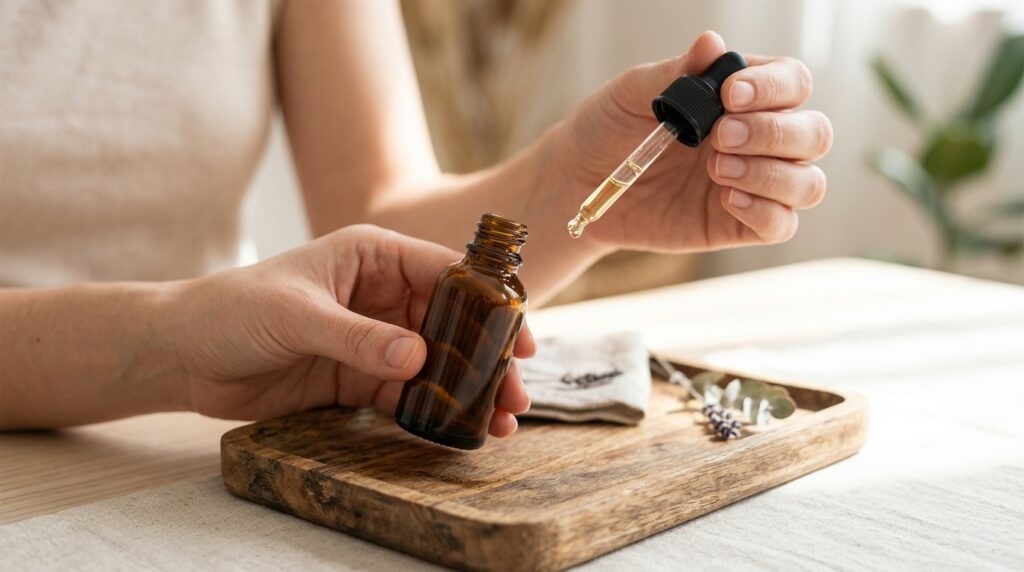
A racing mind has no off switch, and a bottle on a store shelf offers to supply one. The National Institute of Mental Health estimates that 19.1 percent of US adults have an anxiety disorder in a given year, which makes it the most common mental health condition in the country.
Naturally, CBD oil for anxiety is a heavily searched topic. The research is more specific than the labels admit, and it includes a surprising finding about dose. What follows covers what was tested, what the results can and cannot support, and where CBD fits next to established care.
What Researchers Have Tested
The public speaking studies
In a 2011 study in Neuropsychopharmacology, researchers gave 600 mg of CBD to 24 people with social anxiety disorder before a simulated public speaking test. Those who received CBD reported less anxiety and less discomfort than those who received placebo. The sample was small, and the dose was a single large one.
The dose surprise
A 2017 study in the Journal of Psychopharmacology tested 100, 300, and 900 mg in healthy volunteers during a public speaking task. Only the 300 mg dose reduced anxiety. Both the lower and higher doses failed to help, which researchers described as an inverted U-shaped response. Taking more did not mean feeling calmer, and that makes guessing at doses a poor strategy.
The clinic case series
The 2019 Permanente Journal report followed 72 adults at a Colorado psychiatric practice. Anxiety scores dropped in about 79 percent of patients in the first month, and the improvement mostly held. No control group was used, so expectation and other treatments may have contributed.
Limits of the Evidence
Trial doses and bottle doses
Studies used single doses between 300 and 600 mg, while retail servings often run 10 to 25 mg. At $0.04 per milligram, a 300 mg dose costs about $12. The gap between research and shelf products means that trial results do not transfer neatly to what most buyers take.
What reviews conclude
A 2015 review in Neurotherapeutics by Esther Blessing and colleagues found strong preclinical evidence for CBD against several anxiety-related conditions, including panic, social anxiety, and obsessive-compulsive behavior in animal models. The authors also noted that human data were limited and mostly came from single-dose experiments. A decade of later studies has added detail without settling the question.
Not a replacement
Cognitive behavioral therapy and certain medications, including SSRIs, have long records in clinical trials. CBD has neither the same data nor an approved indication for anxiety. Anyone taking prescribed treatment should not stop it in favor of a retail oil.
Practical Points for Anyone Trying It
Interactions to check
CBD slows liver enzymes such as CYP2C19 and CYP3A4. Several antidepressants and anti-anxiety medicines are processed by these enzymes, so levels can rise. A pharmacist can run an interaction check in minutes, and that check is worth doing before the first dose.
What to track
- Frequency and intensity of worry on a 1 to 10 scale
- Physical symptoms such as racing heart or tight chest
- Sleep quality
- Any side effects such as drowsiness, stomach upset, or appetite change
- Amount and time of each serving
Two weeks of notes allows a fair judgment.
Side effects to expect
In Epidiolex trials, the most common effects were sleepiness, decreased appetite, diarrhea, and fatigue. Those trials used far higher doses than retail products. Even so, drowsiness and stomach upset are the most likely complaints at lower amounts.
When Anxiety Needs More Than a Supplement
Signs to seek care
Generalized anxiety disorder is diagnosed when excessive worry lasts for at least six months and interferes with daily life. Panic attacks, avoidance of normal activities, and trouble working are all reasons to see a clinician. Treatment works for most people, and earlier care tends to go better.
Therapy options
Cognitive behavioral therapy teaches skills for handling anxious thoughts and has strong trial support. Medication can help when therapy alone is not enough. A primary care doctor can refer to either.
Crisis situations
Thoughts of self-harm call for immediate help. In the United States, the 988 Suicide and Crisis Lifeline answers by call or text, and emergency services handle urgent danger.
Final Thoughts
Research on CBD oil for anxiety shows promising but limited results, with a dose pattern that does not reward taking more. Established therapies remain the first line, and any trial of CBD works best alongside a clinician’s input.